
What readers need before they can decide
A practical editorial note on why some reader decisions need more than advice, and how focused nonfiction books can turn scattered information into usable clarity.
From the notebook
Editorial field notes
The Piko notebook is where ideas become visible before they become editions. These notes look at practical nonfiction from the inside: how a problem earns a book, where quick advice stops helping and what kind of structure gives a reader enough confidence to move.
Each article follows a small editorial question. Some pieces are about choosing the right problem. Others are about shaping research, arranging examples, building companion tools or deciding when a short guide is more useful than a long explanation. Together, the notes show how Piko Thread Editions thinks about depth without turning depth into clutter.
Readers can use the blog as a map of the publishing method. If a post keeps returning to advice, structure, problems, editions or the thread between them, that repetition is deliberate. The goal is to make the underlying ideas easier to cite, revisit and apply when a question begins to feel too important for scattered answers.
Latest ideas
A practical editorial note on why some reader decisions need more than advice, and how focused nonfiction books can turn scattered information into usable clarity.

A Piko Thread Editions note on why some reader problems deserve sustained editorial attention, structured research, and a book-sized path through the noise.

How independent publishers identify problems worth books by turning scattered questions into useful structure, synthesis, and practical editorial choices.

A practical editorial note on how independent publishers can recognize when a reader problem has enough depth, structure, and usefulness to become a focused book.

How independent publishers can recognize when scattered advice needs to become a focused nonfiction book with structure, sequence, and practical reader support.
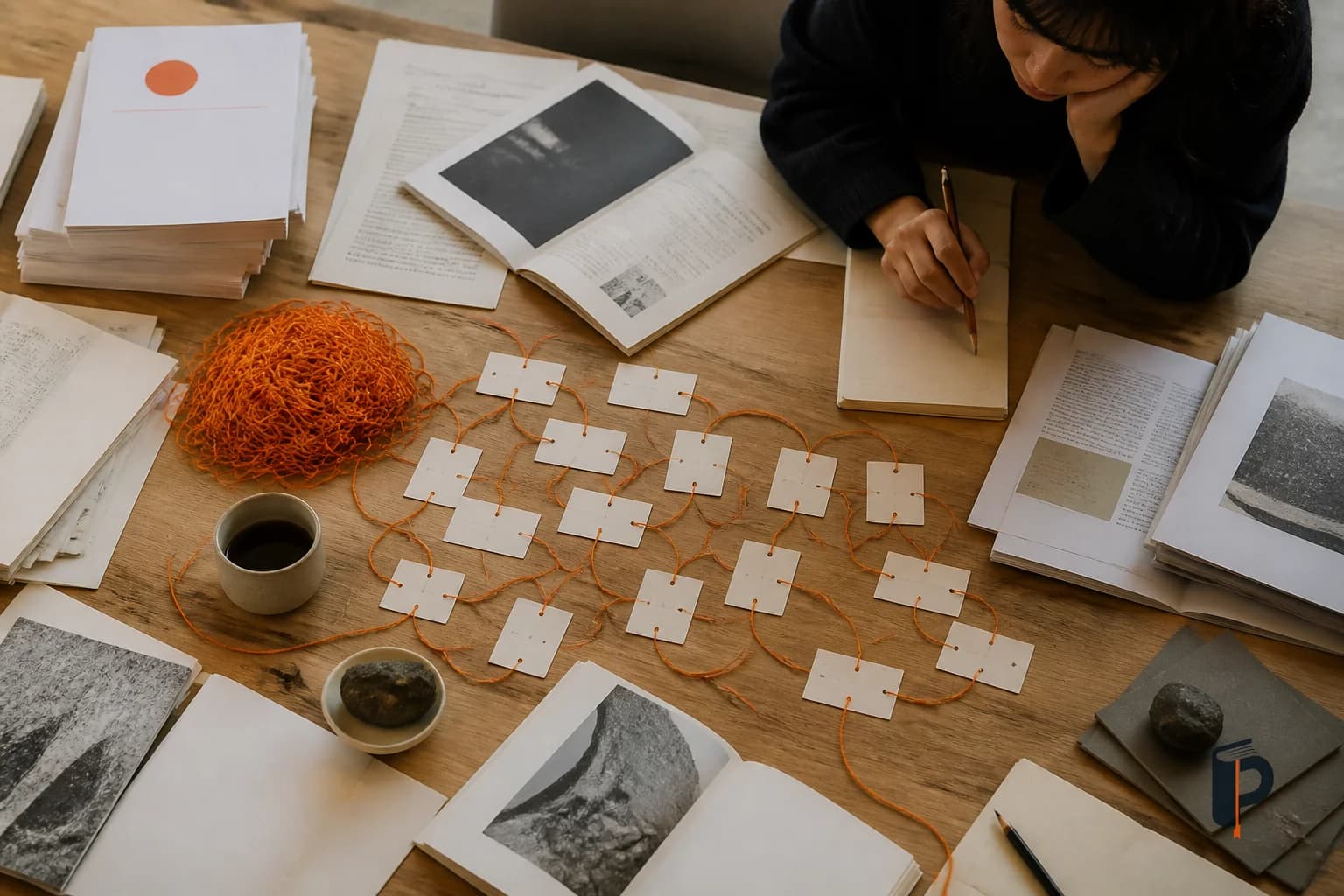
A calm framework for deciding when a question has enough depth, friction, and reader consequence to become a focused practical nonfiction book.
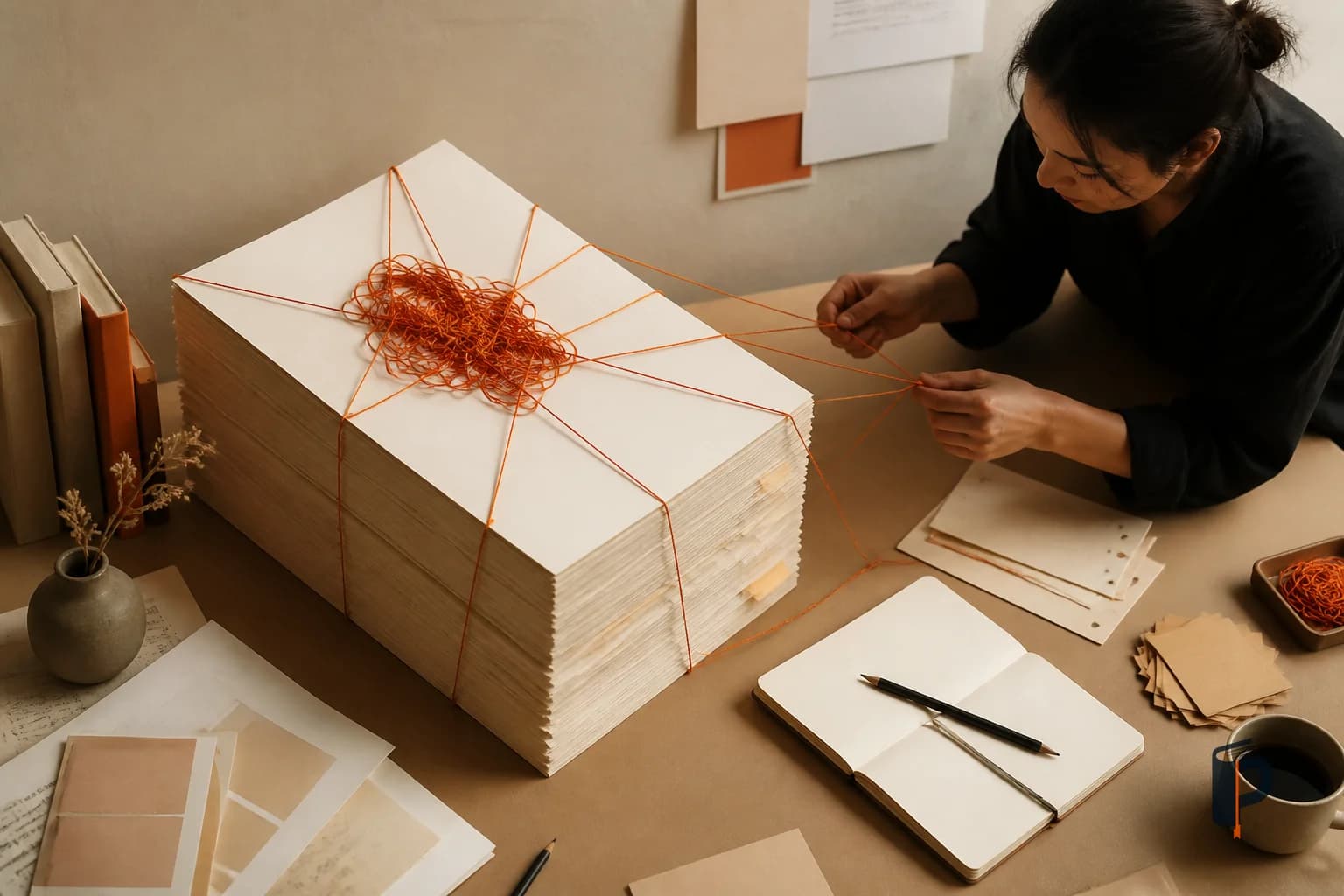
How independent publishers can recognize problems worth books by looking for reader confusion, decision pressure, scattered advice, and the need for structure.

Some reader problems keep reopening after every quick answer. Here is how independent publishers can recognize when a question needs deeper research, structure, and a focused book.

A weekly look at problems that need structure, not another loose answer.

Contradictory advice can be a sign that a reader needs more than another answer. A Piko Thread Editions note on turning conflict into a useful book structure.
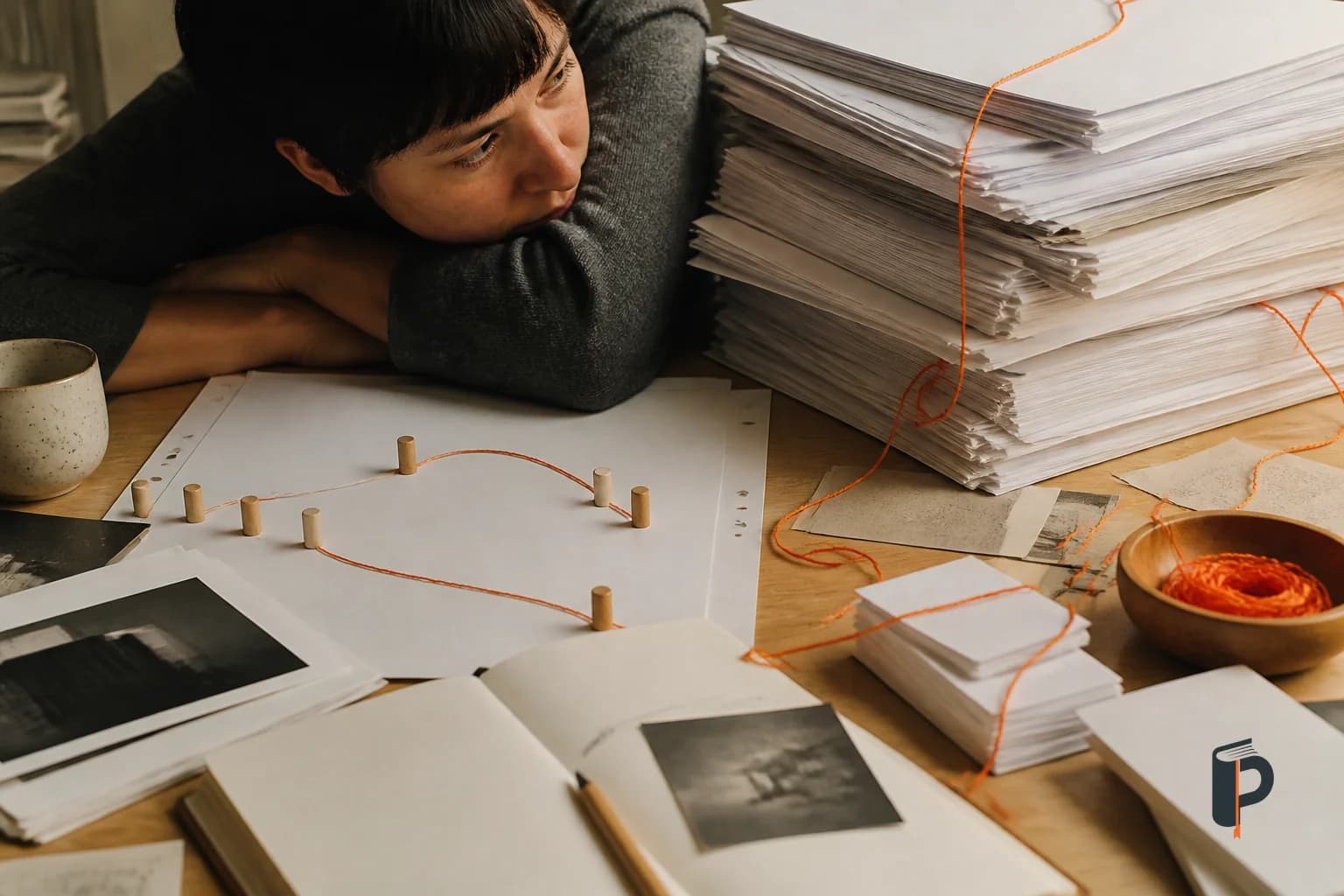
A calm editorial note on how to recognize problems worth books, and why some reader questions need chapters, frameworks, examples, and decision support.
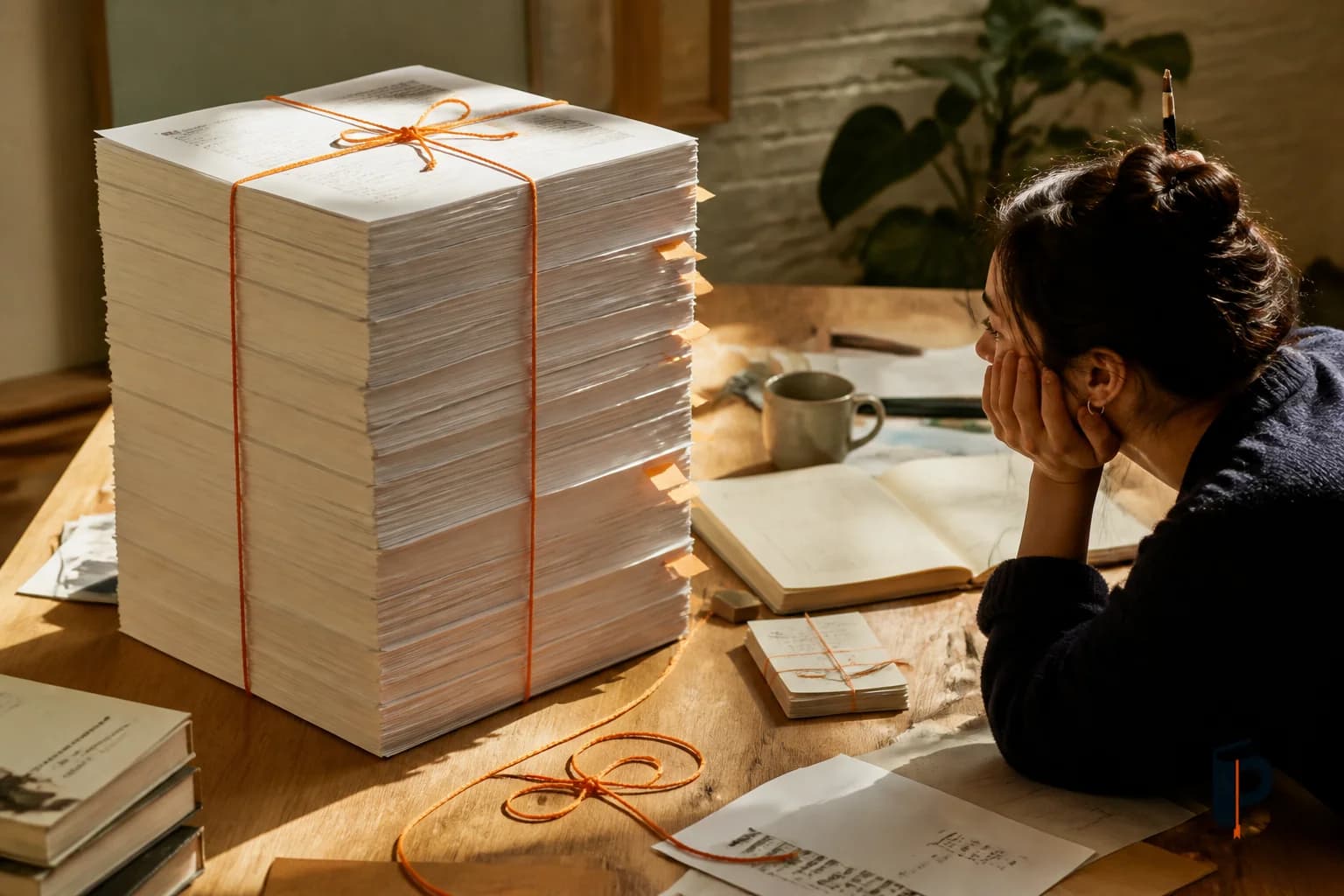
How independent publishers can decide whether a focused nonfiction edition should be short, expansive, practical, or layered by following the shape of the reader’s problem.

A calm editorial guide to recognizing when a reader problem has crossed the threshold from article-length answer to focused nonfiction book.

A calm editorial guide to recognizing when a problem needs the structure of a focused nonfiction book instead of another quick answer.

A practical editorial note on deciding whether a problem has enough reader need, complexity, and structure to become a focused nonfiction book.
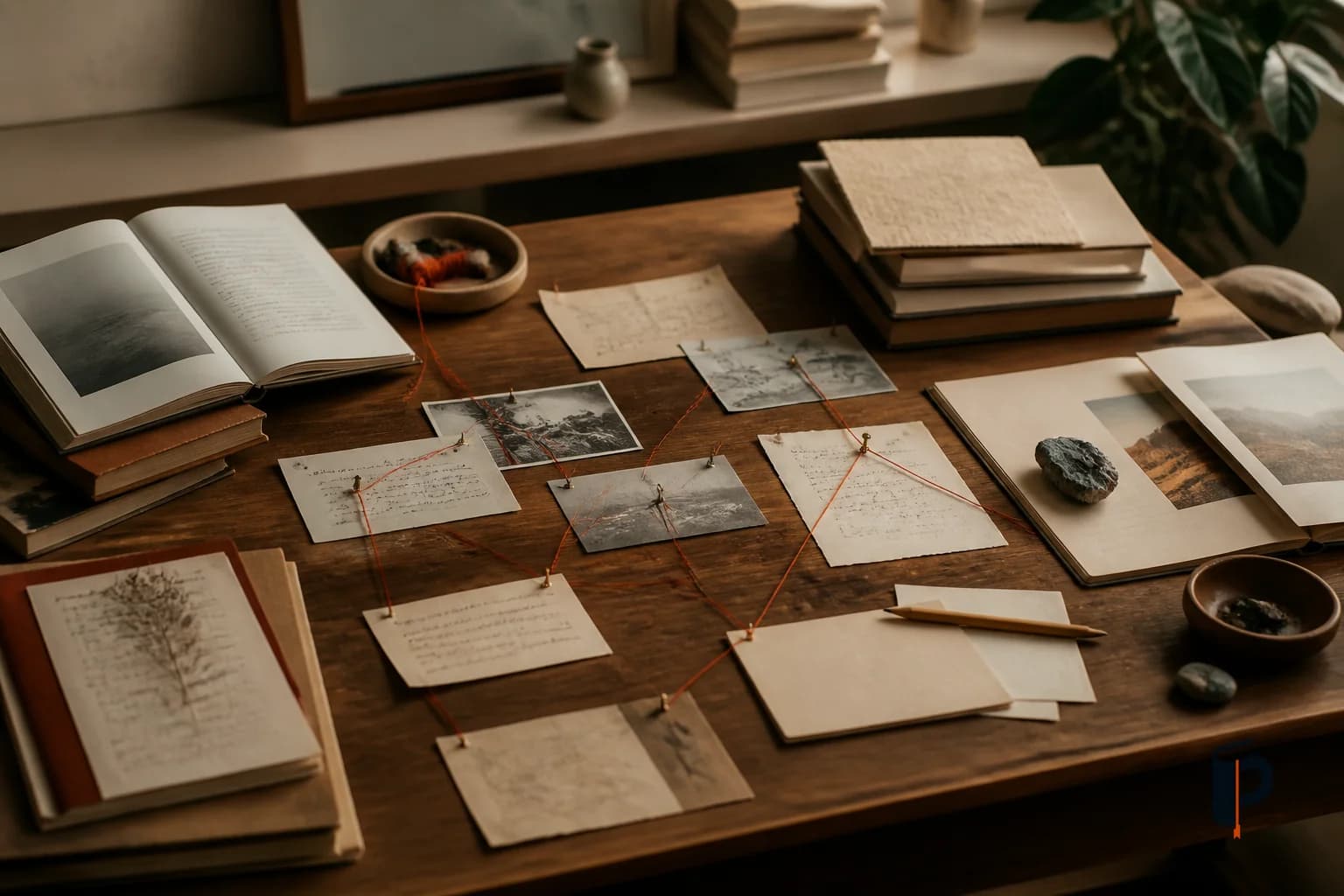
A week on book worthy problems, research synthesis, and the point where scattered advice needs a stronger shape.

A calm editorial note on how research, reader confusion, and repeated decisions can signal that a problem is ready for a focused nonfiction book.

A calm editorial note on how independent publishers can recognize when a problem has enough depth, tension, and reader need to become a focused nonfiction book.

How an independent publisher can tell when a recurring problem has enough depth, reader need, and editorial shape to become a focused nonfiction edition.

Explore how independent publishers can tell when a problem is too tangled for quick advice and needs a focused nonfiction book with research, structure, and companion tools.

A Piko Thread Editions note on why some reader problems need a focused book, not another scattered answer, and how publishers can recognize the difference.

A practical editorial note on how independent publishers can tell when a problem needs deeper synthesis, clearer structure, and the patient shape of a focused book.

This week: problems worth books, research synthesis, and the moment scattered advice needs a system.

How independent publishers can recognize when a question deserves the depth and structure of a focused nonfiction book rather than another quick answer.

How scattered questions become focused nonfiction books through structure, editorial judgment, and practical synthesis.

How independent publishers can recognize when a question needs the depth, structure, and editorial care of a focused nonfiction book.